Sohyeon Kim
sohyeon@stanford.edu
sohyeon.kim@vision.snu.ac.kr
I am a visiting researcher at Stanford University, working with Prof. Chelsea Finn. I am also a second-year PhD student at Seoul National University, advised by Prof. Gunhee Kim.
I have always been drawn to what I know, what I do not, and how to explore the gap between them. This leads me to ask how models can use external knowledge to solve increasingly challenging problems. I believe we already have plenty of knowledge to draw on, especially the knowledge that keeps evolving and accumulating. We need memory systems that models can manage on their own, so they can reuse prior knowledge instead of reasoning from scratch and avoid repeating past failures.
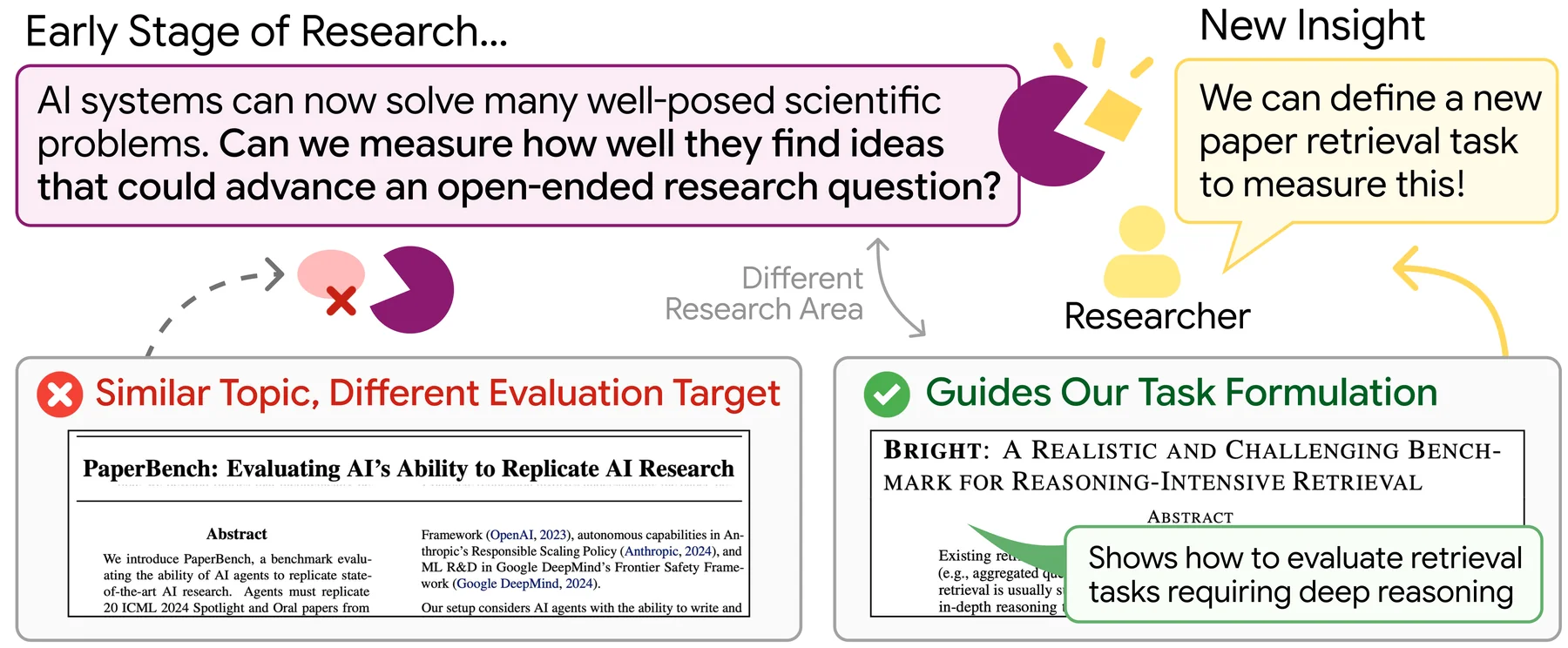
Such knowledge is hard to retrieve with existing methods, since it rarely looks similar on the surface. Still, humans (especially domain experts) intuitively know where to look in a vast search space and find connections that seem obvious only in hindsight, a kind of research taste explored in ScholarCatalyst. I aim to build models that find such connections for better decision making in open-ended, long-horizon problems.
I enjoy thinking and reading about research and beyond. You can find my thoughts on my Blog and my reading.
Publication
Preprint 2026 Website Paper Code Data *equal contribution
EMNLP 2026 Paper
COLM 2026 Workshop on Agent Behavior Paper
ICLR 2026 Paper Website
ACL 2025 Findings Paper